Pixopedia Font Review for Apparel
As an embroidery designer with years of experience in custom apparel and boutique branding, I always look for fonts that offer both versatility and visual appeal. The Pixopedia Font from Creative Fabrica is one such design that stands out for its clean lines, elegant structure, and adaptability across various fabric types and garment styles. Whether you're creating a small sweatshirt collection or designing personalized tote bags, this font has the potential to elevate your handmade product offerings.
First Impressions: A Versatile and Stylish Font
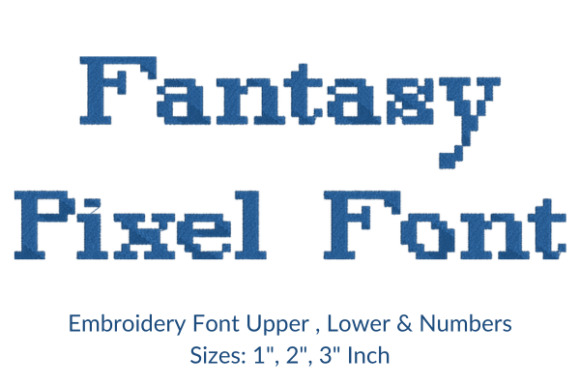
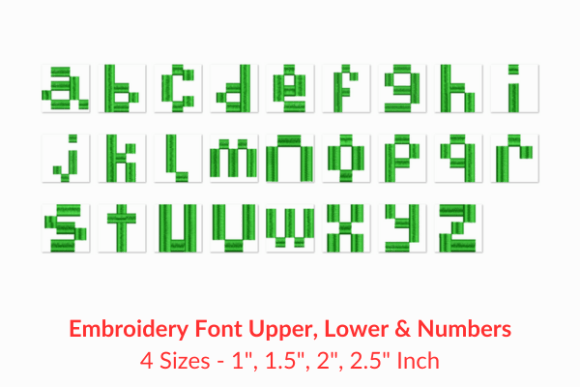
The Pixopedia Font immediately catches the eye with its balanced proportions and modern aesthetic. It carries a slightly retro yet contemporary feel, making it suitable for both casual and semi-formal applications. The font’s detailing is subtle but refined, giving it a premium look without being overly ornate. Its stitching mood is smooth and consistent, which is essential when working on delicate or stretchy fabrics.
This font feels versatile enough to work on a range of projects—from school-themed designs to lifestyle products. Its decorative strength is just right, offering enough character to stand out without overwhelming the garment. Whether used for names, dates, or quotes, it maintains clarity and readability even at smaller sizes.
Apparel Use Cases: From Sweatshirts to Tote Bags
For sweatshirt embroidery, the Pixopedia Font works well on chest placements, especially on neutral or pastel-colored garments. Its minimalistic style pairs nicely with oversized silhouettes, adding a touch of sophistication without competing with the overall design. On dark apparel, the font remains visible and crisp, provided the thread colors contrast well with the fabric.
When applied to hoodie design, the font can be used as a sleeve accent or as a back graphic. Its clean lines make it ideal for minimalist back designs, while its moderate height allows for placement on curved surfaces without distortion. For t-shirt embroidery, the font is best suited for larger text, ensuring legibility and stitch integrity.
Tote bag design benefits from the font’s simplicity, especially when using bold thread colors against fabric backgrounds. It also works well in boutique merchandise, where visual consistency and brand identity are key. The font’s adaptability makes it a strong candidate for printable mockups and Etsy listings, helping to showcase your finished product effectively.
Practical Considerations: Where to Use and Avoid
While the Pixopedia Font is highly functional, there are certain scenarios where caution is advised. On small chest placement, it’s important to ensure the lettering isn’t too cramped, as this could affect stitch density and overall appearance. In dense stitch areas, the font may require additional stabilizer support to prevent puckering or distortion.
When working with stretchy fabric, such as fleece or ribbed material, it’s crucial to test the design on similar fabric before mass production. The font’s structure holds up well on dark garments, but care must be taken with tiny lettering to avoid loss of detail. For curved surfaces, the font maintains its shape, making it suitable for shoulder or sleeve placements.
Impact on Brand and Customer Perception
Using the Pixopedia Font can significantly enhance the value of custom apparel. Its clean, professional look contributes to a polished commercial embroidery finish, which is essential for manual product sales. As an Etsy seller or handmade business owner, having a reliable font like this helps build buyer trust and product recognition.
Consistency in design is key for boutique brands, and the Pixopedia Font offers a level of uniformity that supports long-term visual identity. It also encourages customer engagement by allowing personalization options that resonate with buyers looking for unique, tailored items.
Designer Notes: Testing and Preparation
Before finalizing any project, I recommend testing the embroidery file on scrap fabric to assess how the font interacts with different fabric textures. Pay close attention to stitch density and ensure that the hoop size accommodates the design without unnecessary strain. Choosing the right stabilizer is also critical, especially when working with stretchy materials.
Verify the thread color contrast against your chosen fabric to avoid dull or faded results. If you’re planning to sell finished apparel, double-check the Creative Fabrica product details and licensing terms to ensure compliance with commercial use policies. This step is particularly important for digital embroidery file users who want to maintain legal and ethical standards in their small shop product offerings.
Final Thoughts: A Reliable Choice for Creative Entrepreneurs
The Pixopedia Font is a solid addition to any embroidery designer’s toolkit, especially for those focused on apparel decorators, creative fabrica users, and embroidery shops. Its balance of style and functionality makes it ideal for a wide range of custom apparel projects, from seasonal outfits to everyday wear.
Whether you're crafting a seasonal hoodie collection or designing lifestyle product photos, the Pixopedia Font offers a professional edge that can help elevate your brand. With proper preparation and thoughtful application, it can become a go-to font for your handmade product line and social media graphics.